As industries worldwide accelerate toward cleaner and more sustainable energy solutions, methanol-powered generator sets (methanol gensets) are emerging as a promising alternative to conventional diesel and gas generators. From data centers and telecom infrastructure to construction sites, microgrids, and remote industrial operations, methanol gensets offer lower emissions, fuel flexibility, and strong potential for carbon reduction.
However, selecting the right methanol generator is not simply about power output. Businesses must evaluate efficiency, fuel supply, technology maturity, operating environment, safety, maintenance, and long-term economic performance.
This guide explains the key factors companies should consider when choosing a methanol genset for commercial or industrial applications.
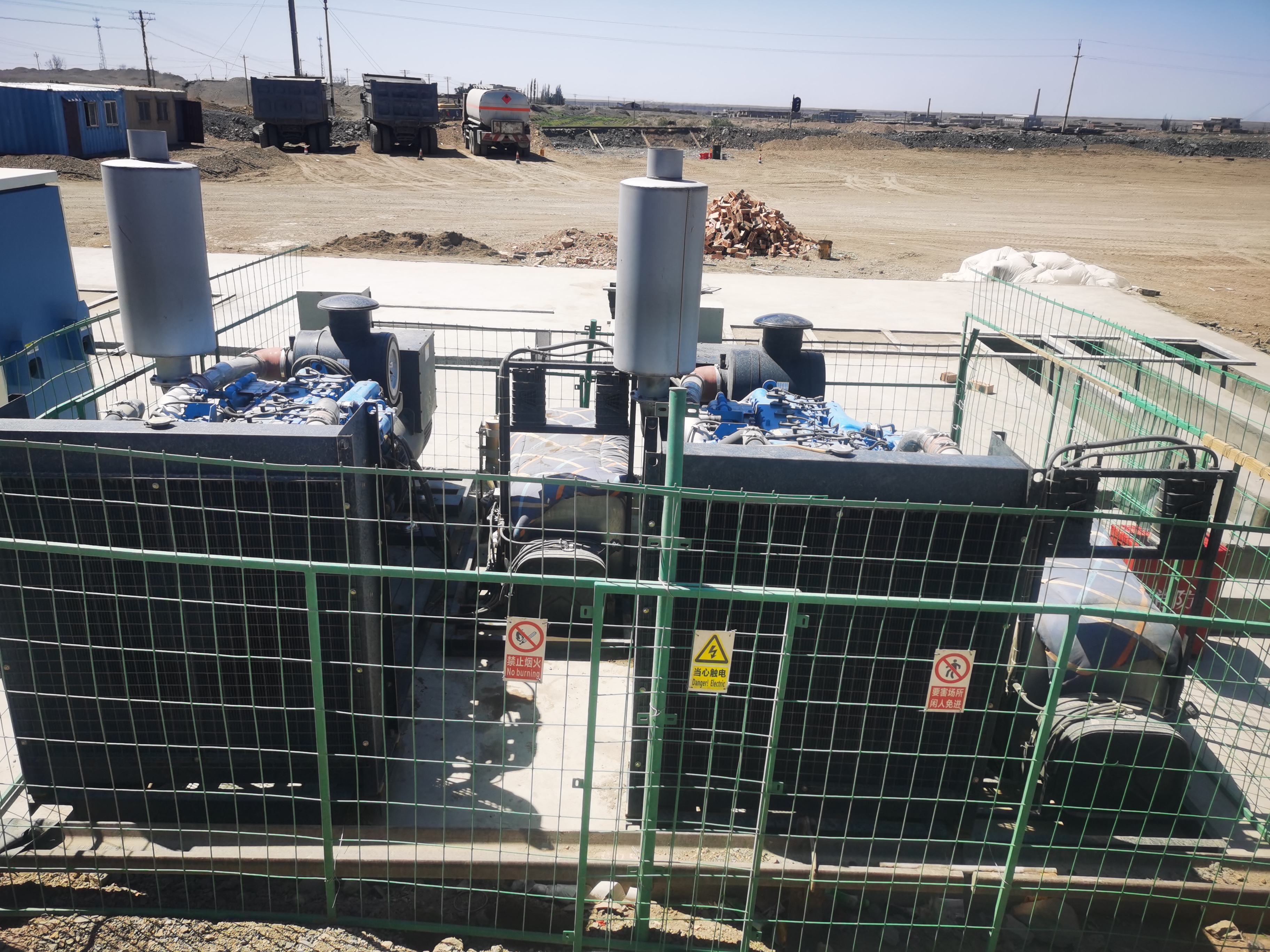
What Is a Methanol Genset?
A methanol genset is a power generation system that uses methanol fuel to produce electricity.
Methanol is increasingly attractive because it is:
1. Power Capacity and Load Requirements
The first and most critical factor is determining the required generator capacity.
Key questions include:
What is the total load demand (kW or MW)?
Is the load continuous, standby, or peak shaving?
Will the genset support critical infrastructure?
Are there future expansion plans?
Oversized systems increase capital costs and reduce efficiency, while undersized systems may create instability and overload risks.
Typical applications include: Data centers,Telecom towers, Industrial facilities, Commercial buildings, Mining camps, Remote off-grid operations, Renewable microgrids.
2. Fuel Efficiency and Consumption
Methanol genset efficiency directly impacts operational costs.
Important considerations include:
Specific fuel consumption (L/kWh)
Thermal efficiency
Fuel conversion technology
Part-load efficiency
Fuel reforming efficiency for fuel-cell systems
Advanced methanol fuel cell systems typically provide:
Higher electrical efficiency
Lower noise
Reduced maintenance
Lower emissions
Meanwhile, methanol combustion engines may offer:
Lower upfront costs
Familiar maintenance procedures
Easier deployment for industrial applications
A lifecycle fuel cost analysis is essential before selection.
3. Emissions and Sustainability Goals
One of the biggest advantages of methanol generators is environmental performance.
Compared with diesel gensets, methanol systems can significantly reduce:
NOx emissions
SOx emissions
Particulate matter
Carbon emissions
If powered by green methanol produced from renewable energy and captured CO₂, the system may support:
Net-zero strategies
ESG compliance
Carbon reduction targets
Green building certifications
Companies should verify:
Emission certifications
Local environmental regulations
Carbon intensity data
Renewable methanol sourcing availability
4. Reliability and Runtime Performance
For mission-critical applications, reliability is non-negotiable.
Important performance indicators include:
Continuous operating hours
Cold-start capability
Backup redundancy
Black-start functionality
Hybrid battery integration
Performance under varying temperatures
Industries such as healthcare, telecommunications, and data centers require high-availability power systems with minimal downtime.
A proven operational track record is often more important than theoretical efficiency claims.
5. Fuel Availability and Supply Chain
Methanol fuel logistics are a major consideration.
Before deployment, businesses should evaluate:
Local methanol availability
Transportation infrastructure
Fuel storage regulations
Supplier stability
Fuel purity requirements
In many regions, methanol distribution infrastructure is already more mature than hydrogen infrastructure, making methanol easier to adopt for remote energy projects.
Long-term fuel contracts can improve price stability and operational security.
6. Safety and Storage Requirements
Although methanol is easier to handle than hydrogen, proper safety systems remain essential.
Key safety considerations include:
Leak detection systems
Fire suppression systems
Ventilation requirements
Storage tank standards
Fuel handling procedures
Operator training
Businesses should ensure compliance with:
NFPA standards
Local fire regulations
Hazardous material handling codes
Industrial safety standards
A properly designed fuel storage and monitoring system greatly reduces operational risk.
7. Integration with Renewable Energy and Battery Storage
Modern methanol gensets increasingly operate within hybrid energy systems.
An integrated solution may include:
Solar PV
Wind turbines
Lithium battery storage (BESS)
EMS (Energy Management System)
Smart microgrid controls
Hybrid systems can:
Reduce fuel consumption
Improve system efficiency
Extend generator lifespan
Lower operational costs
Enhance renewable energy utilization
For remote industrial projects and data centers, hybrid methanol power systems are becoming an important energy transition strategy.
Industries Driving Methanol Genset Adoption
Methanol power generation is rapidly gaining attention across multiple sectors:
Data Centers
Operators seek low-carbon backup and prime power solutions with high reliability.
Telecom Infrastructure
Methanol fuel cells provide long-duration backup power for remote telecom towers.
Maritime & Ports
Methanol is becoming an important marine fuel for decarbonization.
Mining & Remote Industry
Hybrid methanol systems reduce diesel dependence in off-grid environments.
Commercial & Industrial Facilities
Businesses use methanol gensets to improve sustainability and energy resilience.
The Future of Methanol Power Generation
As global decarbonization accelerates, methanol is expected to become a major alternative fuel for distributed energy systems. The growth of green methanol production, carbon reduction regulations, and renewable hybrid microgrids will likely drive wider adoption of methanol gensets worldwide.
Companies investing early in methanol power solutions may benefit from:
Improved ESG performance
Lower long-term emissions
Greater energy security
Enhanced operational sustainability
Conclusion
Choosing the right methanol genset requires balancing power performance, fuel efficiency, reliability, safety, emissions, and lifecycle cost.
The ideal solution should not only meet today’s operational needs but also support future sustainability and energy transition goals.
For industrial facilities, data centers, telecom infrastructure, and renewable microgrids, methanol gensets are becoming an increasingly attractive solution for cleaner and more resilient power generation.
Businesses that carefully evaluate technology maturity, fuel logistics, integration capability, and long-term operating costs will be best positioned to maximize the benefits of methanol-based energy systems.
Post time: May-27-2026